
As the planet experiences the first heatwaves, AFP is publishing thematic packages to help you add context and depth to your Future of the Planet coverage. AFP has become the leading agency reporting on climate and planet issues, with an unmatched international network and coverage that is human, visual, and grounded in the field. Discover the latest packages published, as well as those still to come.
Bring context to heatwave coverage, from emergencies to solutions
Europe's first heatwave of the year hit as early as May, the earliest ever recorded with this level of intensity — and was followed shortly after by the most severe heatwave the continent has ever seen. AFP saw this coming. Weeks earlier, at the initiative of our Future of the Planet editor-in-chief, AFP mobilised bureaus across France and Europe to cover the health, economic and social effects of the extreme heat, whenever the first wave hit.
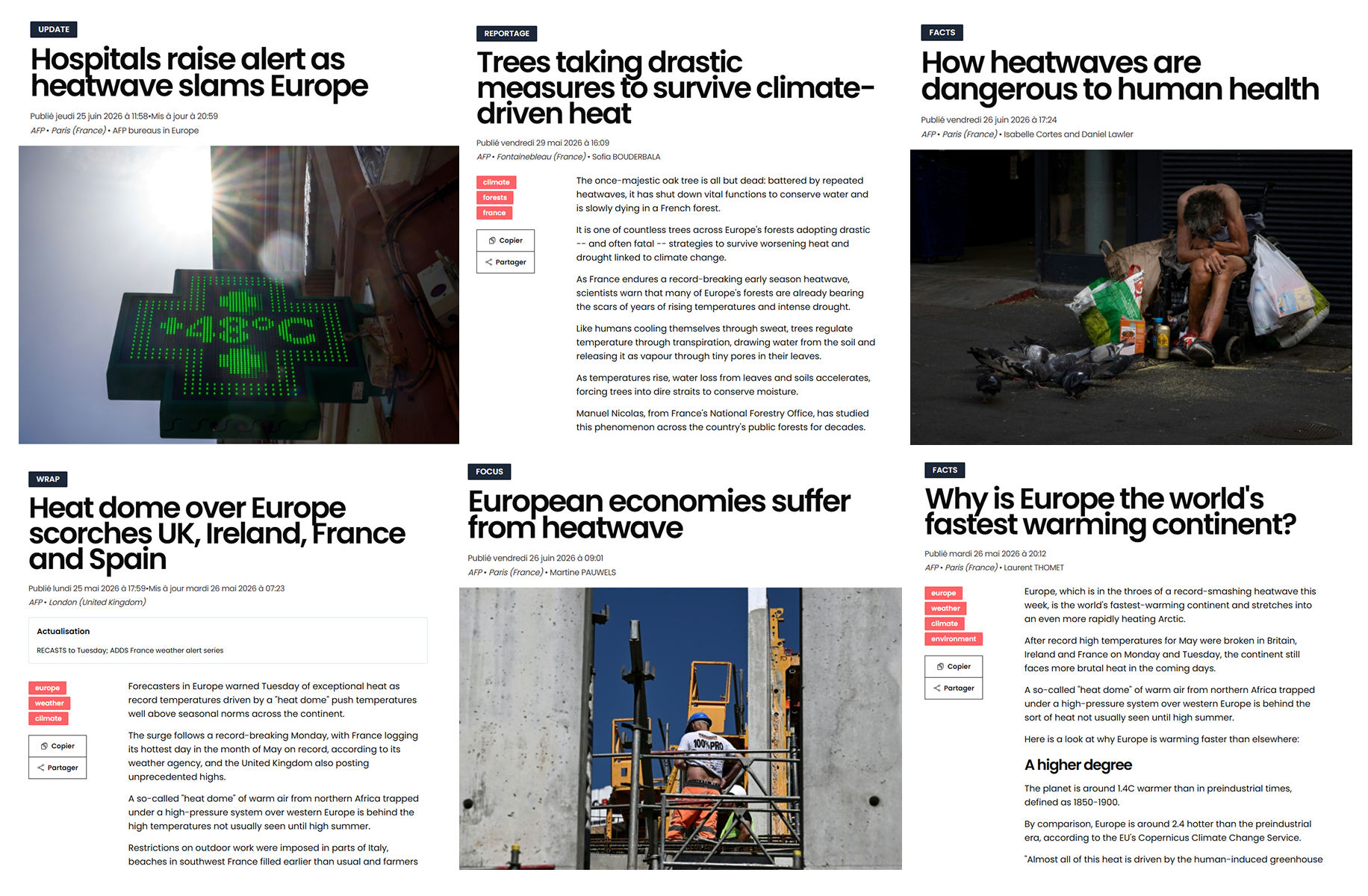
Overview of selected AFP stories published since May on the subject of heatwaves.
AFP's Data Visualisation department tracked, day by day, the number of Europeans who would be exposed to temperatures above 35°C — an exclusive figure picked up by media outlets worldwide, and even cited by the World Health Organization.
Anticipate El Niño with trusted reporting from the field
The natural global warming phenomenon is back, and AFP's entire network is preparing to cover its effects: heavier torrential rains in Central America, droughts in Asia, and ocean warming that’s proving lethal to coral reefs. El Nino typically peaks between November and February, driving global temperatures to rise over the following months. AFP is committed to sustained, on-the-ground coverage. AFP's Asia-Pacific, Africa and Latin America regions will deploy teams to the hardest-hit areas, covering not only the impacts of floods or droughts but also how well — or how poorly — authorities are prepared.
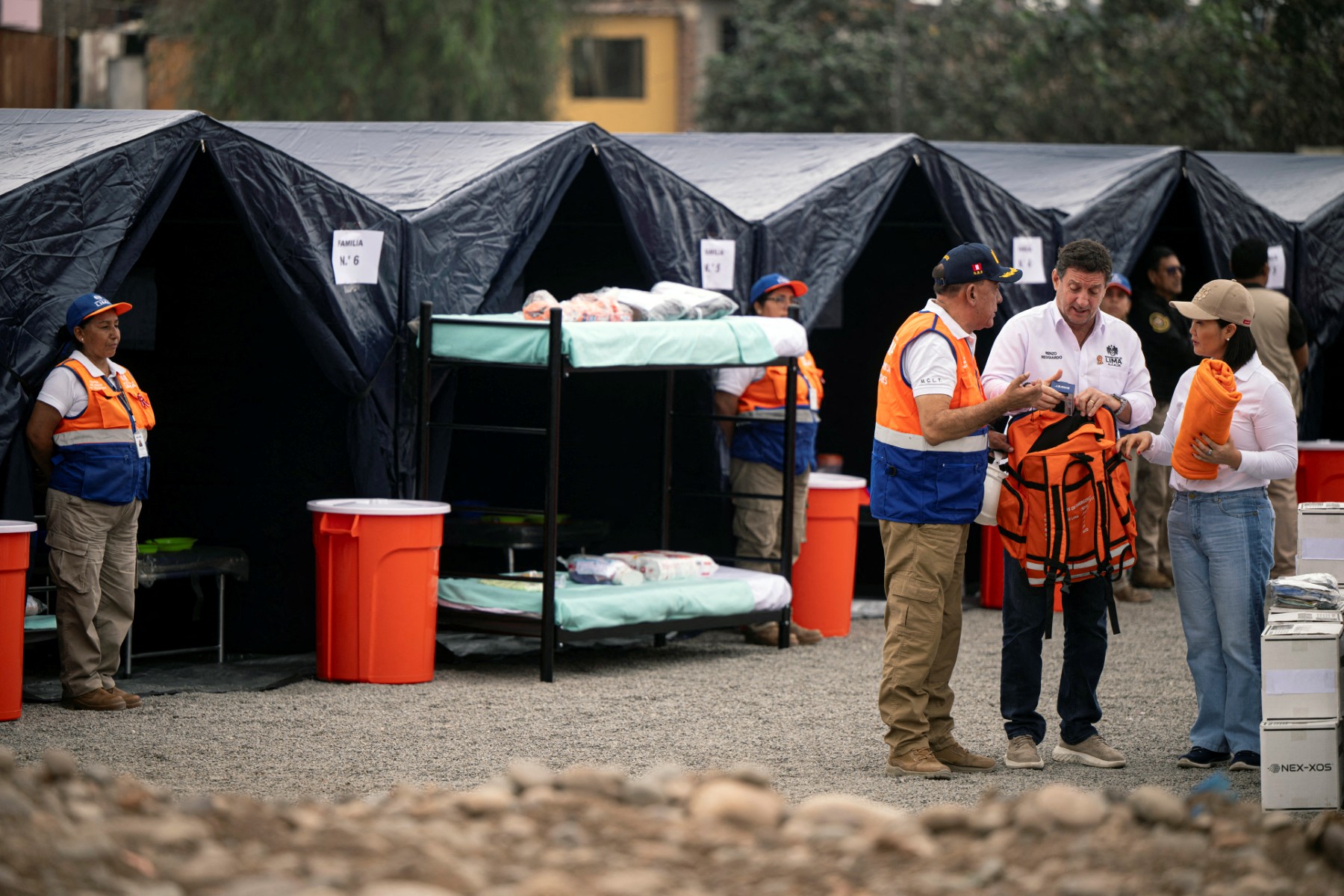
(1) Peru's president-elect for the Fuerza Popular party, Keiko Fujimori, and the mayor of Lima Sergio Reggiardo visit a cleaning and desilting operation on the Rimac river as a preventive measure against the El Niño phenomenon, in Lima on July 9, 2026. © Ernesto Benavides / AFP
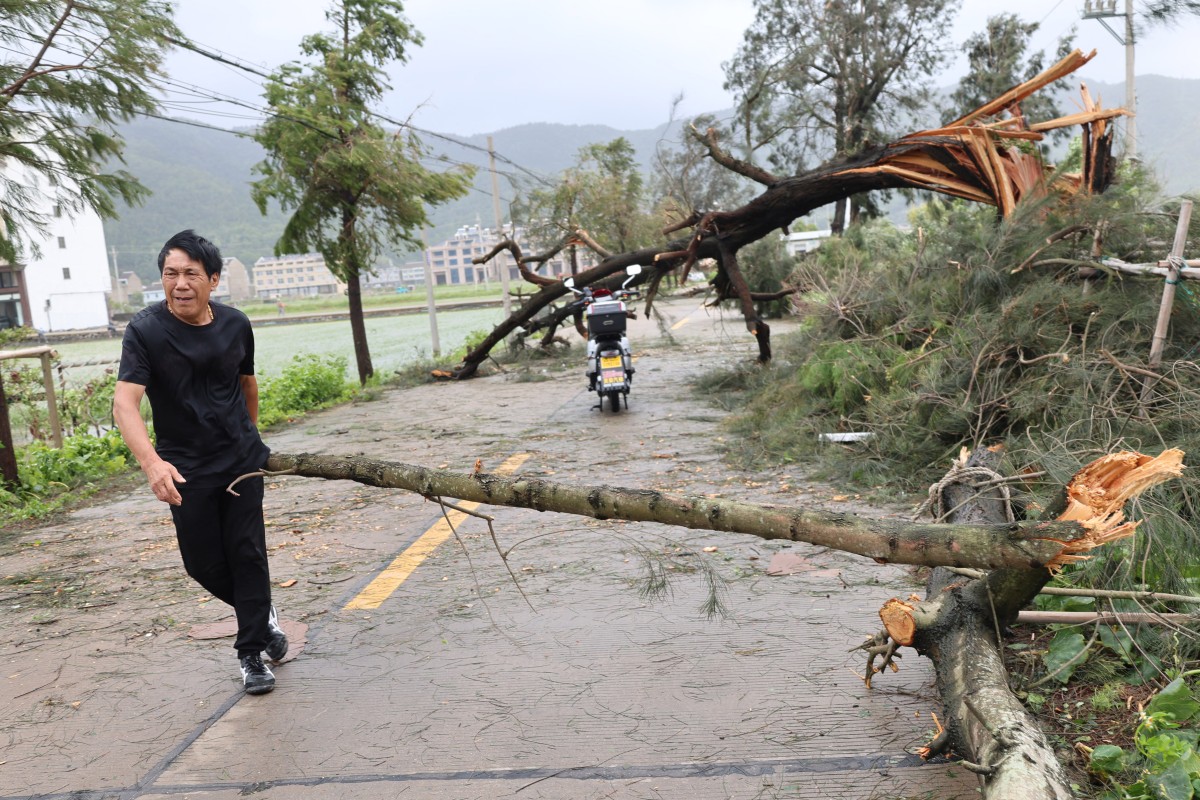
(2) A man clears tree branches knocked down by Typhoon Bavi in Wenling, in China’s eastern Zhejiang province on July 12, 2026. Typhoon Bavi was downgraded to a severe tropical storm on July 12. Oceans have experienced their hottest June on record and could set fresh highs in the months ahead. Warmer oceans intensify tropical storms and add more moisture, which can fall as heavy rain. Adding to the mix is the return this year of El Nino, a natural climate phenomenon that warms Pacific Ocean surface temperatures and typically occurs every two to seven years. © CN-STR / AFP
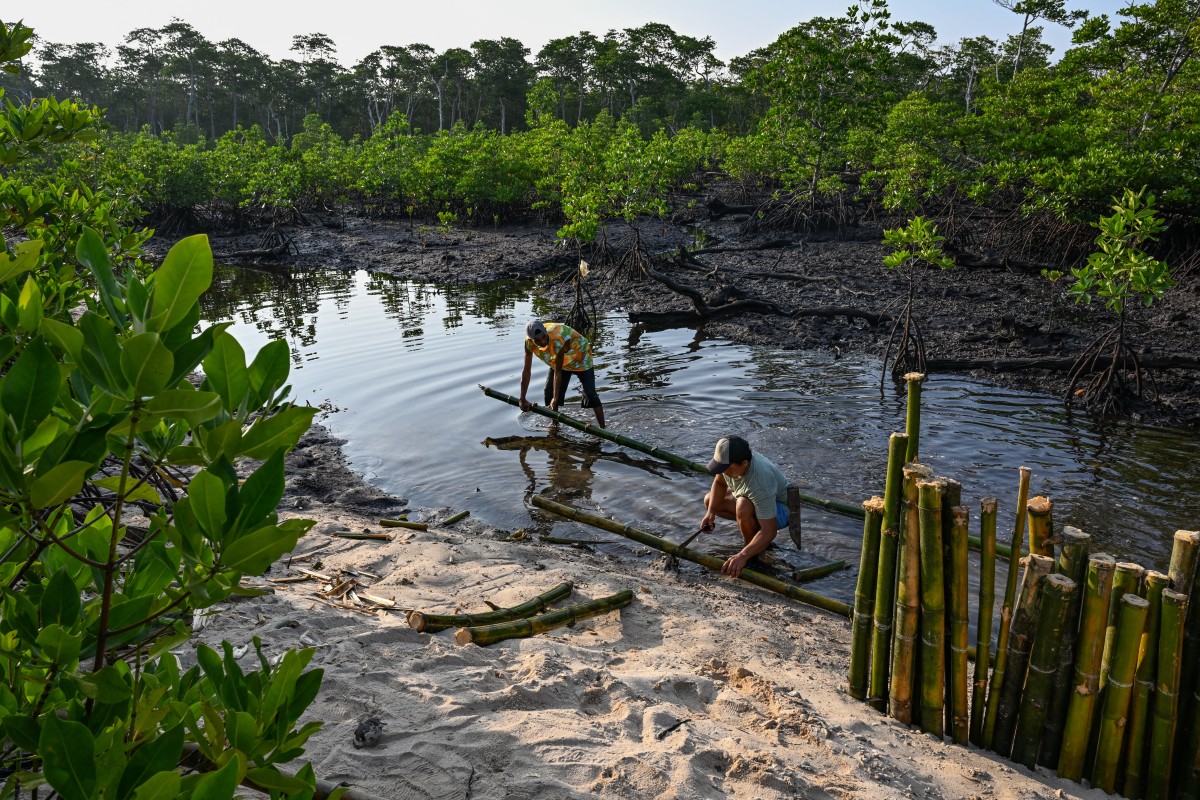
(3) This photo taken on April 16, 2026, shows men working on bamboo fences to protect the mangroves at Ticao Island, in the province of Masbate. Mangroves are a key natural defence against storm surges and coastal erosion in the Philippines, which is hit by around 20 typhoons each year. Scientists warn that while bamboo fences are a cheap way to protect mangroves, in one of the world's most climate-vulnerable countries. And the urgency is growing. Warming waters caused by climate change can produce stronger tropical storms. The world's oceans experienced their hottest June on record, and could reach new highs in coming months as a strong El Nino weather pattern takes hold. © Jam Sta Rosa / AFP. Taken from the report Protecting the protectors: racing to save Philippine mangroves, published on July 9, 2026.
Mosquitoes: a lesser-known consequence of climate change
In May and June, AFP distributed a multimedia package exploring the growing threat posed by mosquitoes as the climate grows warmer, wetter and more unpredictable, with reporting from Europe, Brazil and South Africa For clients of AFP's photo and video products, a large selection of images was also distributed.
Examples of stories covered (preview of an AFP News Coverage Advisory sent to AFP's clients):
CURITIBA (BRAZIL) With fatherly affection, Brazilian scientist Luciano Moreira handles a glass box swirling with mosquitoes bred to prevent the spread of dengue, a groundbreaking strategy that has proved difficult to scale up in the immense nation where infections have exploded in recent years. Brazil-climate-mosquitoes-health.REPORTAGE. 700 words by Facundo Fernandez Barrio. Picture. Video.
PARIS (FRANCE) Mosquitoes are the world's deadliest animals, killing a quarter of a million people every year. So is it time for humanity to fight back -- and kill them all? Climate-mosquitoes-health-eradication, FOCUS. 700 words by Daniel Lawler
MONTPELLIER (FRANCE) Inside a factory in southern France, millions of tiger mosquitoes are being bred, not to have them spread, but to stop them from reproducing -- though scaling up such efforts poses a mighty challenge. Climate-mosquitoes-health-environment-France. REPORTAGE. 750 words by Ysis Percq. Picture. Video
GLASGOW (SCOTLAND) It was something infectious disease expert Heather Ferguson never expected to see in her lifetime: a mosquito-born virus, mostly seen in tropical climes, spreading in Scotland. Climate-mosquitoes-health-environment-animal-UK. REPORTAGE. 600 words. File picture. Video.
BUSHBUCKRIDGE (SOUTH AFRICA) In a remote South African village, Paulina Mhlongo sits in her yard as health workers in green protective gear move through her home, spraying anti-mosquito insecticide in a drive against malaria, which kills more than a quarter of a million people annually. SAfrica-climate-health-mosquitioes. FOCUS. 750 words moved by Hillary Orinde. Picture. Video
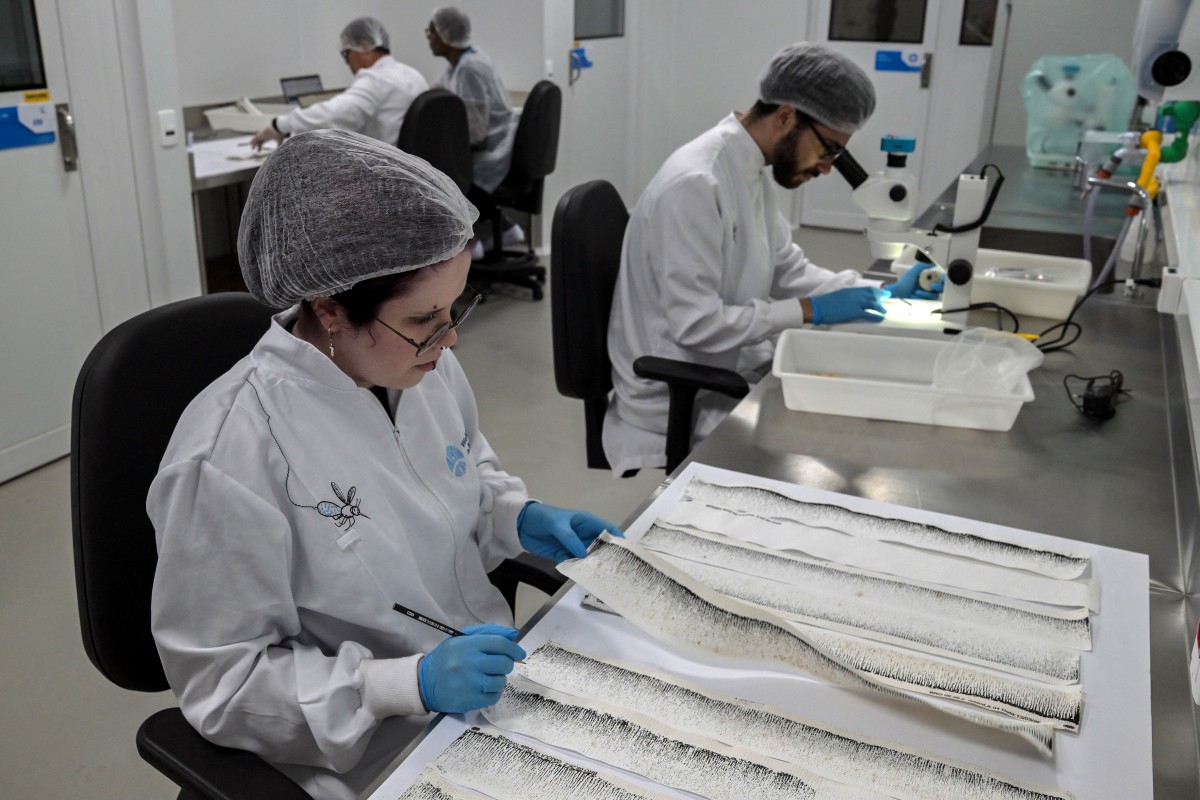
(1) A researcher examines eggs of the Aedes aegypti mosquitoes, at a laboratory of biotech company Wolbito do Brasil, in Curitiba, Brazil on March 19, 2026. The anti-dengue mosquitoes have been introduced to 15 countries, but nowhere have they protected as many people as in Brazil -- an estimated six million people since 2011, when scientists first began testing the method. © Nelson Almeida / AFP.
Taken from the report Dengue outpaces virus-blocking mosquitoes in Brazil published on May 12, 2026.
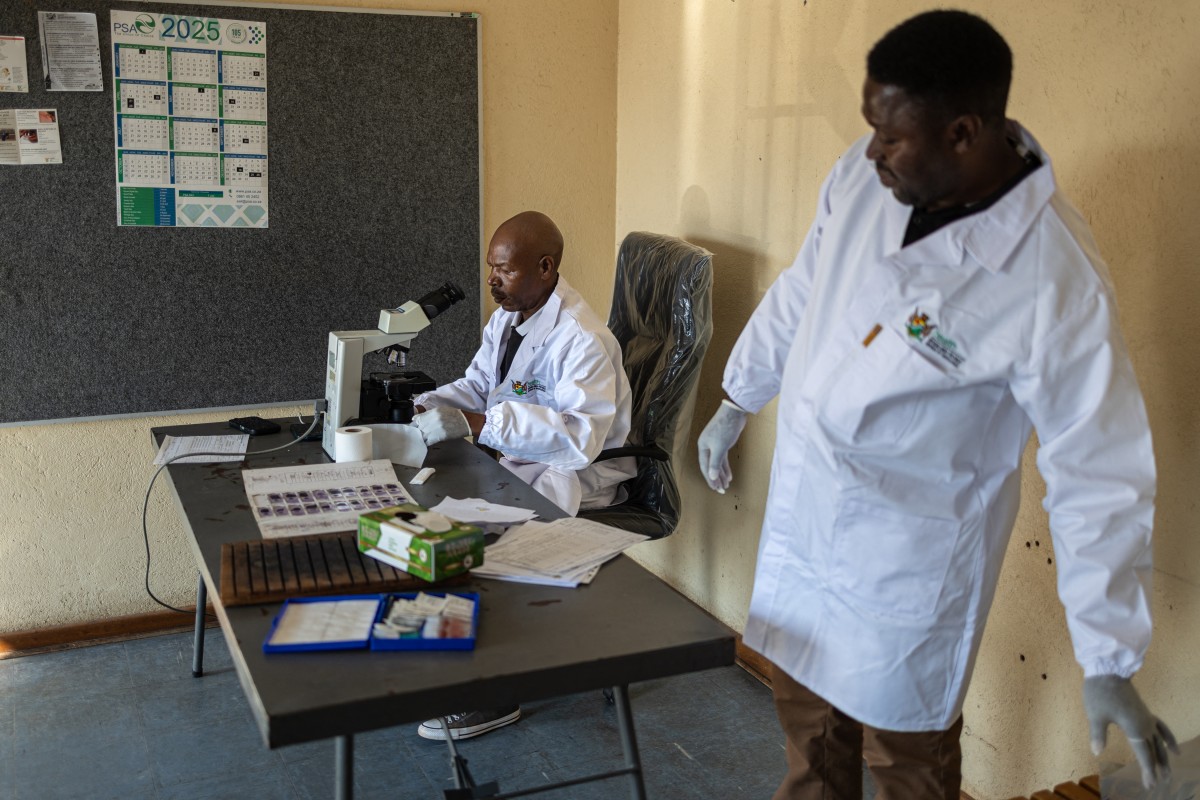
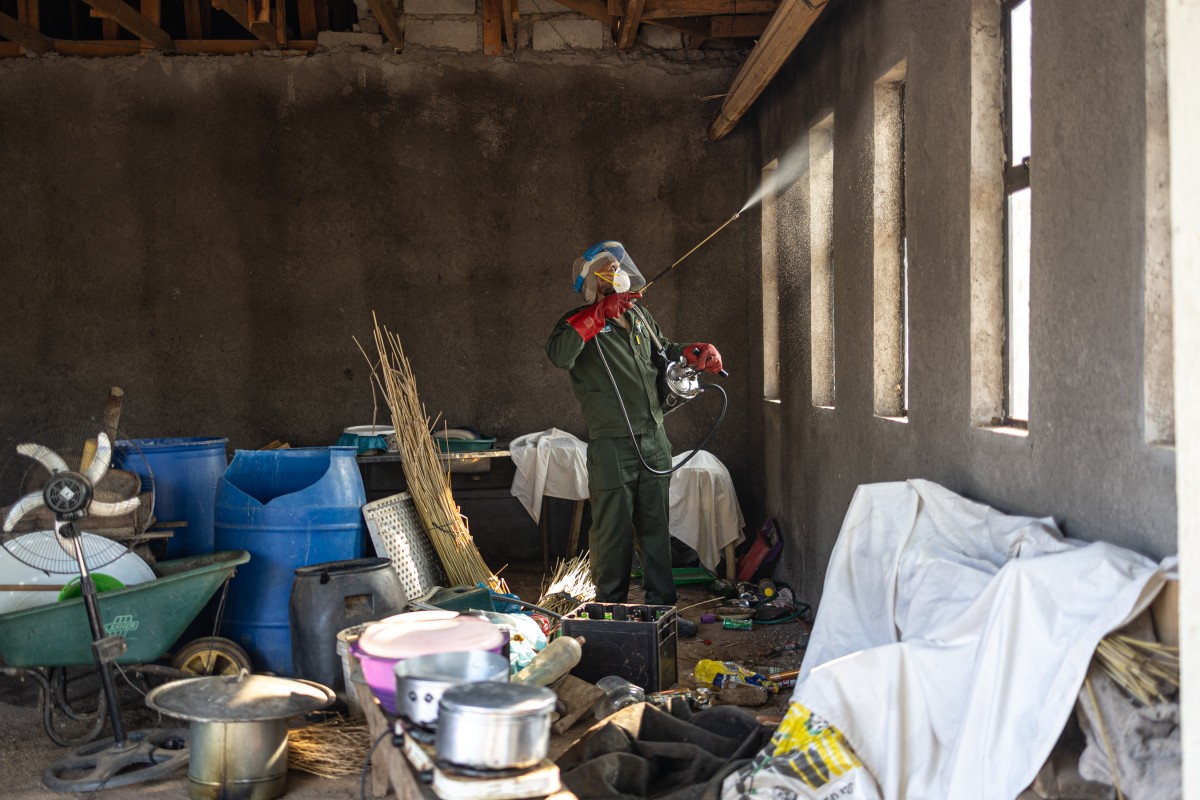
(2) Microscopist Amrstrong Mgiba looks through a microscope as he analyses a blood sample for Malaria next to his colleague Nicholas Skhumbane preparing blood smear slides at the Cunningmore Clinic in Bushbuckridge on May 26, 2026. (3) A Indoor Residual Spraying technician fumigates a a resident’s home as part of a malaria elimination effort in Calcutta (South Africa) on May 25, 2026. Human-induced climate change, compounded by the La Nina weather pattern, has intensified extreme rainfall across southern Africa, creating conditions that can fuel malaria transmission long after floodwaters recede. © Emmanuel Croset / AFP.
Taken from the report As climate shifts, malaria gains ground in southern Africa, published on May 12, 2026.
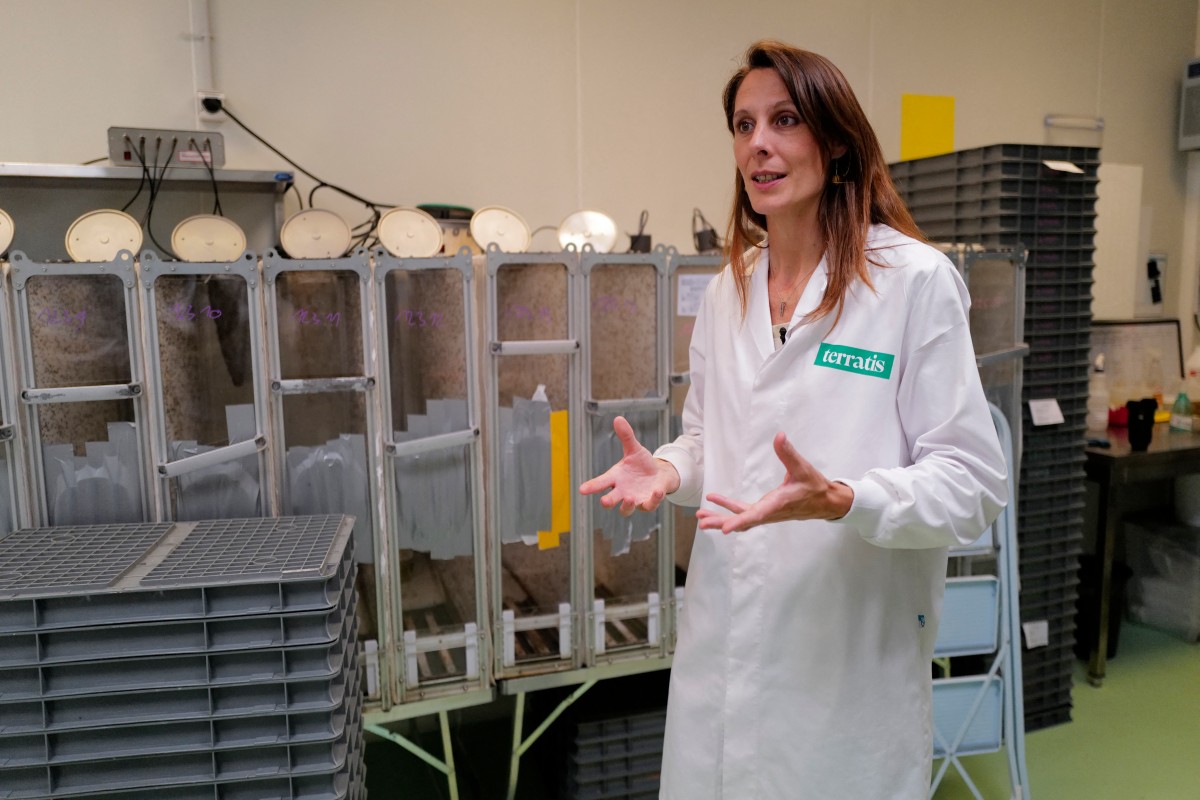
(4) Clelia Oliva, head of the company Terratis, on June 5, 2026. The Terratis startup located in Montpellier produces sterile male tiger mosquitoes which, once released, mate with females and lay unfertilized eggs, as part of an effort to limit the proliferation of the species that carries several diseases. © Sylvain Thomas / AFP.
Taken from the report Scaling up key as French firm bets on sterile mosquitoes, published on June 16, 2026.
Get access to an unrivaled library of illustrative photos and stock footage
AFPTV provides its clients with a comprehensive collection of hundreds of regularly updated stock shots covering every angle of climate change and the energy transition: polar regions, oceans, fossil fuels, mining, deforestation, drought and more. You’ll also find plenty of illustrative photos in your photo feeds or in themed packages on our download platforms.
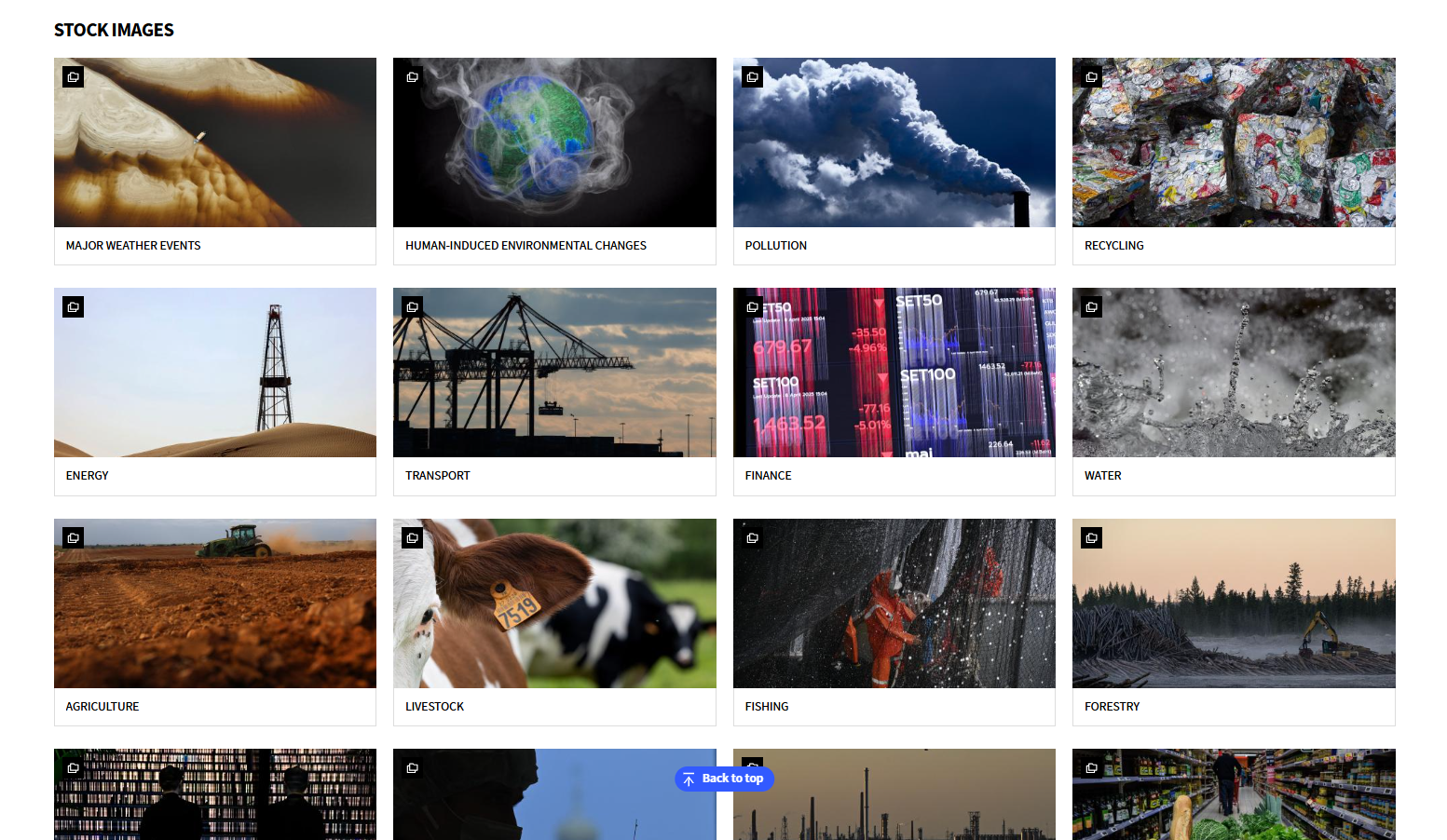
Climate, Planet and Energy Transition photo collections are available in the Photos section of AFP News, AFP’s content download platform. To request free trial access to AFP News, please complete the form at the bottom of the page.

STOCKSHOTS: Heat and drought around the world between April and June 2026. Images of heat and drought around the world betwen April and June 2026. The extreme hot spell eases in the northern and western parts of the region, while millions of residents in the eastern and southern EU remain affected by temperatures above 35°C on Wednesday. Updated July 1, 2026. © Jérôme Pin / AFPTV / AFP
Follow our changing planet with on-the-ground, long-term coverage
What sets AFP apart is our ability to plan as well as react in real time. Major climate milestones — COP summits, international conferences, major climate trials — are prepared well in advance, with text, photo and video teams scaling up as the date approaches. For less predictable events like extreme weather, political decisions, our 1,840-strong global network of journalists means we can cover them immediately, in every format. The agency stands behind clear editorial choices. AFP made the Future of the Planet a newsroom-side priority back in 2019, and since then, more than 900 journalists have been trained on climate issues. Our journalists produce an increasing number of major visual reports and long-form stories that embody both the effects of climate change and solutions. These are in-depth stories, grounded in people's daily lives and told through on-the-ground testimony. They also produce fact-checks addressing environmental disinformation. This focus also allows the agency to deliver a steady stream of ready-to-use content — dispatches, photos, videos, infographics — with rich metadata that lets each newsroom fine-tune their selection according to their own editorial line.
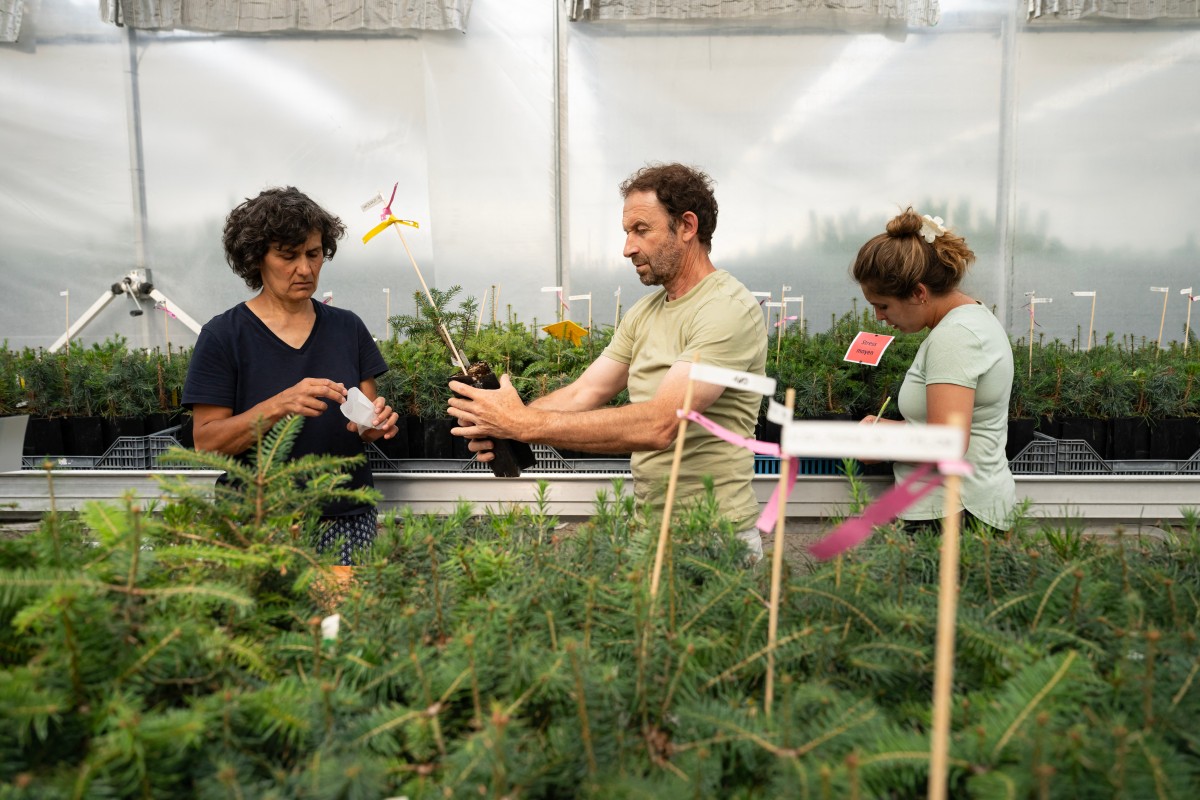
Agents from the ONF (National Forestry Office) test different tree species for their resistance to water stress at the ONF experimental tree nursery in Cadarache, southern France on June 24, 2026. © Miguel Medina / AFP
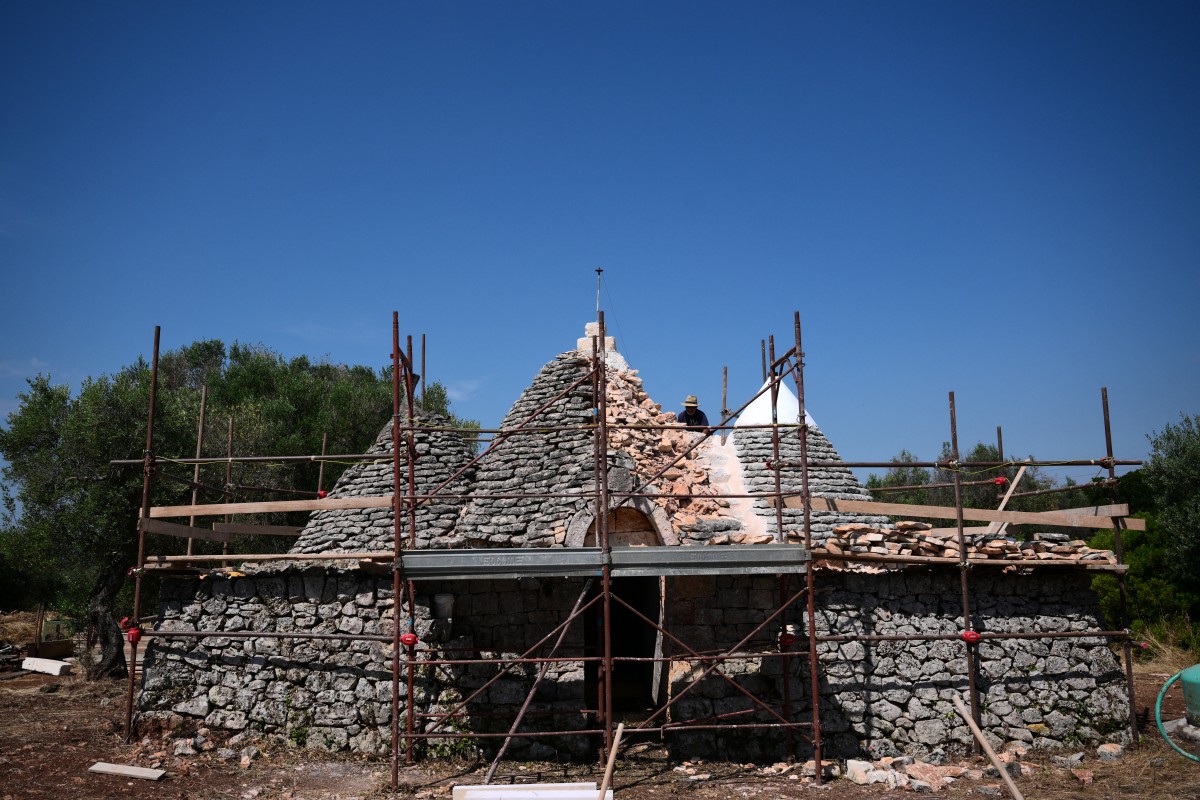
Trulli restorer works on the restoration of an iconic dry-stone dwelling with conical roofs called "trullo", in the southern region of Puglia, on June 24, 2026. "With the increase in heat waves, traditional solutions (such as trulli) are becoming a valuable reference, capable of inspiring climate adaptation strategies for contemporary construction as well," Gerardo Biancofiorehead of the Puglia branch of national builders' association, said. © Tiziana Fabi / AFP. Taken from the feature Heat-struck Italians cool off in ancient stone 'trulli' published on July 16, 2026.
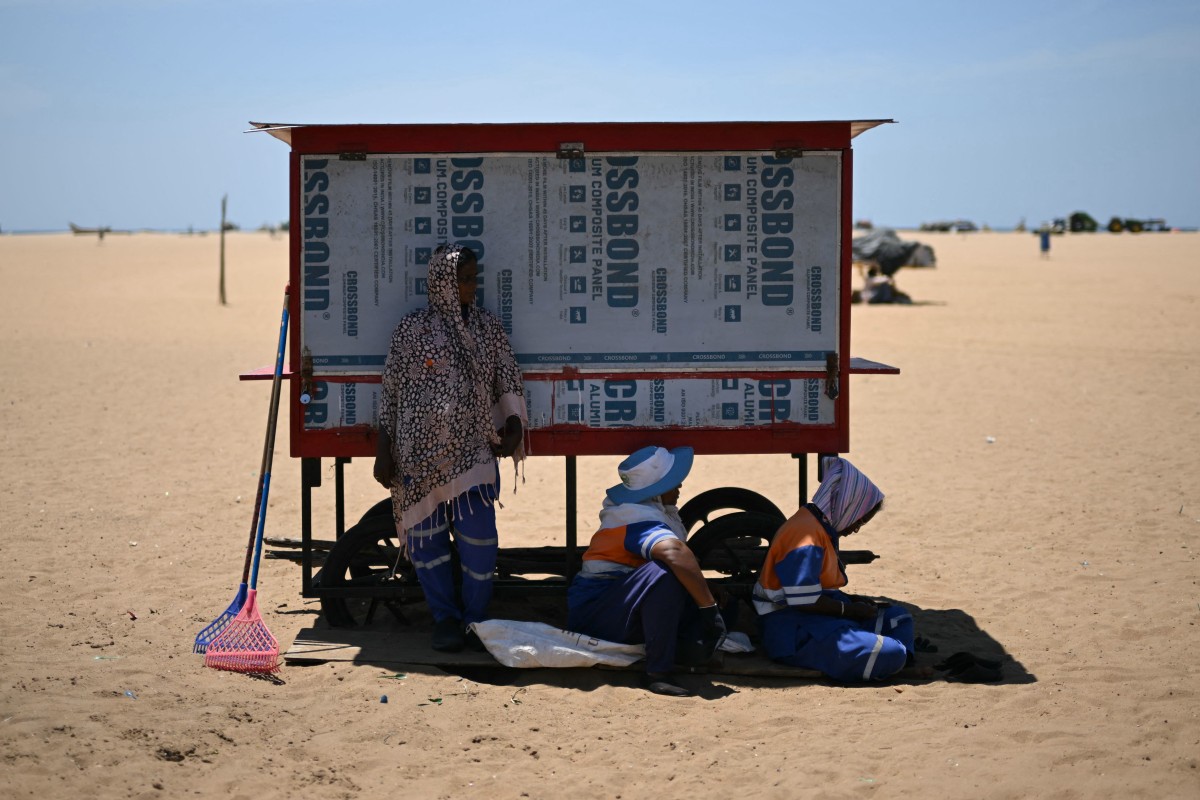
Sanitary workers rest under the shade of a shop at Marina beach in Chennai on June 25, 2026. © R. Satish Babu / AFP.
Taken from the feature India learns to live with hotter summers published on June 18, 2026.

US Iva Jovic shelters from the heat while sitting between games Philippines's Alexandra Eala during their women's singles match on day 3 of the French Open tennis tournament at the Roland-Garros Complex in Paris on May 26, 2026.
Taken from the feature At sweltering Roland Garros fans and players try to stay cool, published on May 26, 2026.